Better photos. Better scores.
On high-quality photos, Vizirack typically scores within 5% of actual measured score. Below: how to take a great photo, and answers to the questions we hear most.
3/4 angle, not pure side
Aim for roughly 30 to 45 degrees from straight-on — both sides of the rack visible, with the buck's nose pointed slightly toward you. Pure side-on profile compresses the spread and hides the far side. Pure head-on shots foreshorten the beams and tines.
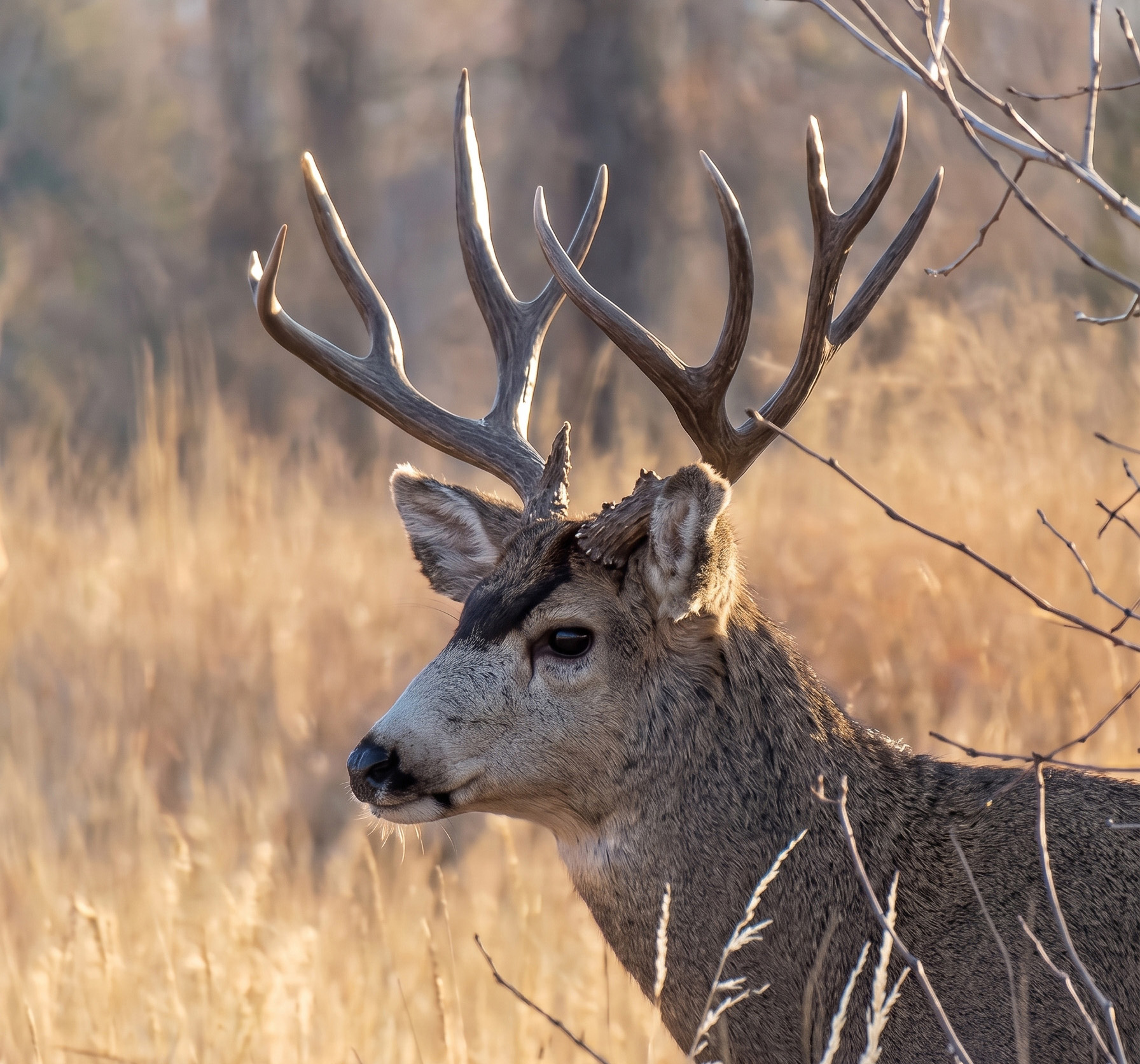
Avoid silhouettes
Racks against bright sky read as black outlines — no mass, no tine detail, no split tips. The AI can guess the outline but can't see what's actually inside. Silhouette photos return wide ranges with low confidence. Move your position so the buck is against terrain, not sky.
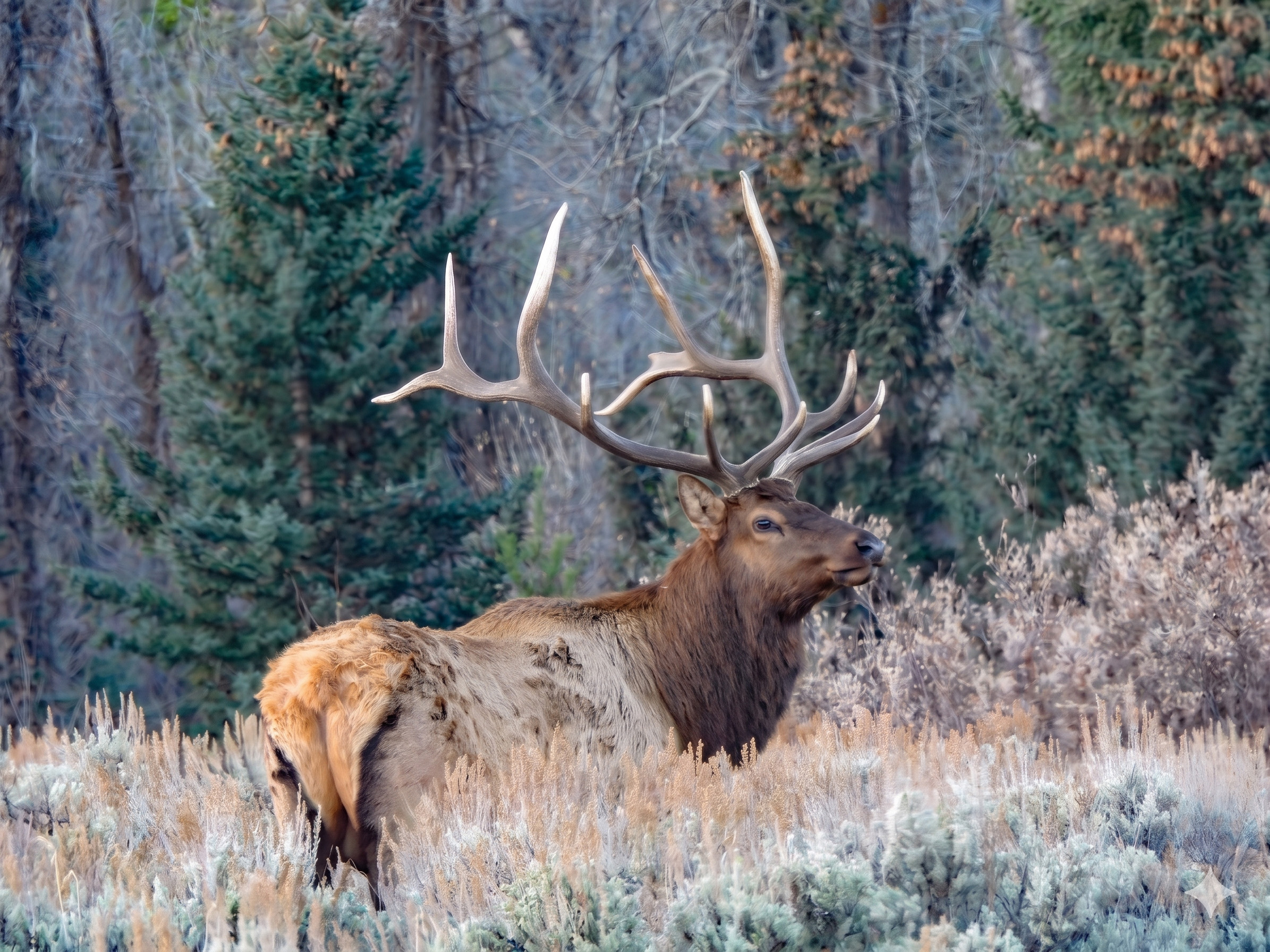
Soft, even lighting
Soft, diffuse light gives you the best results — overcast days, open shade, golden hour. Direct sunlight blows out detail on antler surfaces, and tines blend into glare. If you can't avoid sun, try to position so the rack is shaded by the buck's body or tree cover.
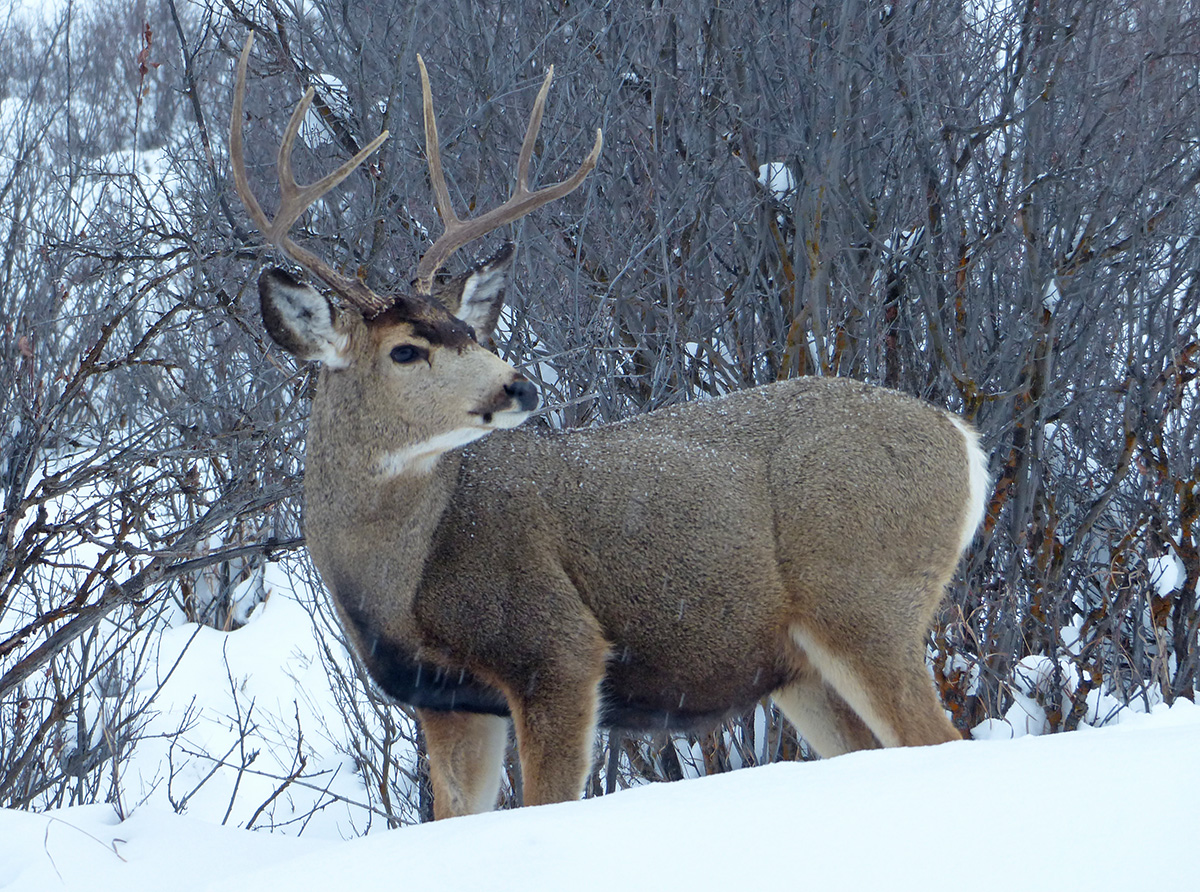
Get close enough
The animal should fill at least 1/4 of the frame, ideally with the rack reaching the upper third. The larger and clearer the rack is in the photo, the more pixels the AI has to work with. Distant trail cam photos where the buck is a small figure in the brush become pixel art at scoring resolution. Crop tighter before you upload, or get closer photos. But too close with wide angles will exaggerate your scores. It's best to have flatter imagest that don't distort tine length, width, or size of the rack. Cropping images is recommended -- as long as clarity is still good.
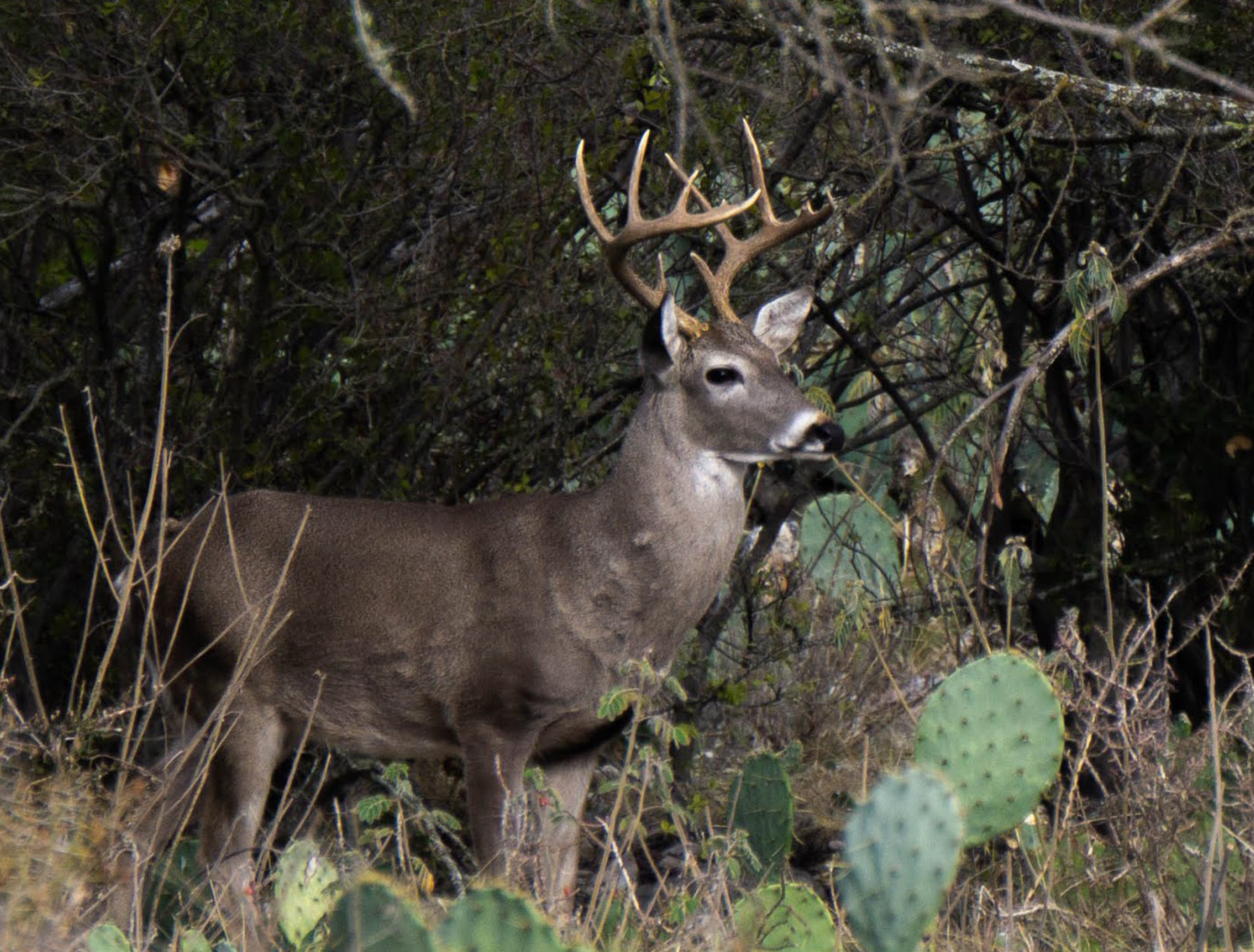
Sharp focus, no motion blur
Cell phone screenshots and trail camera photos of moving deer are the most common bad-photo source. Our engine can't see split tips or count points if the antler edges aren't crisp. If the photo is from video, scrub for the sharpest still. If it's a screenshot of a glassed buck, wait for him to stop moving.
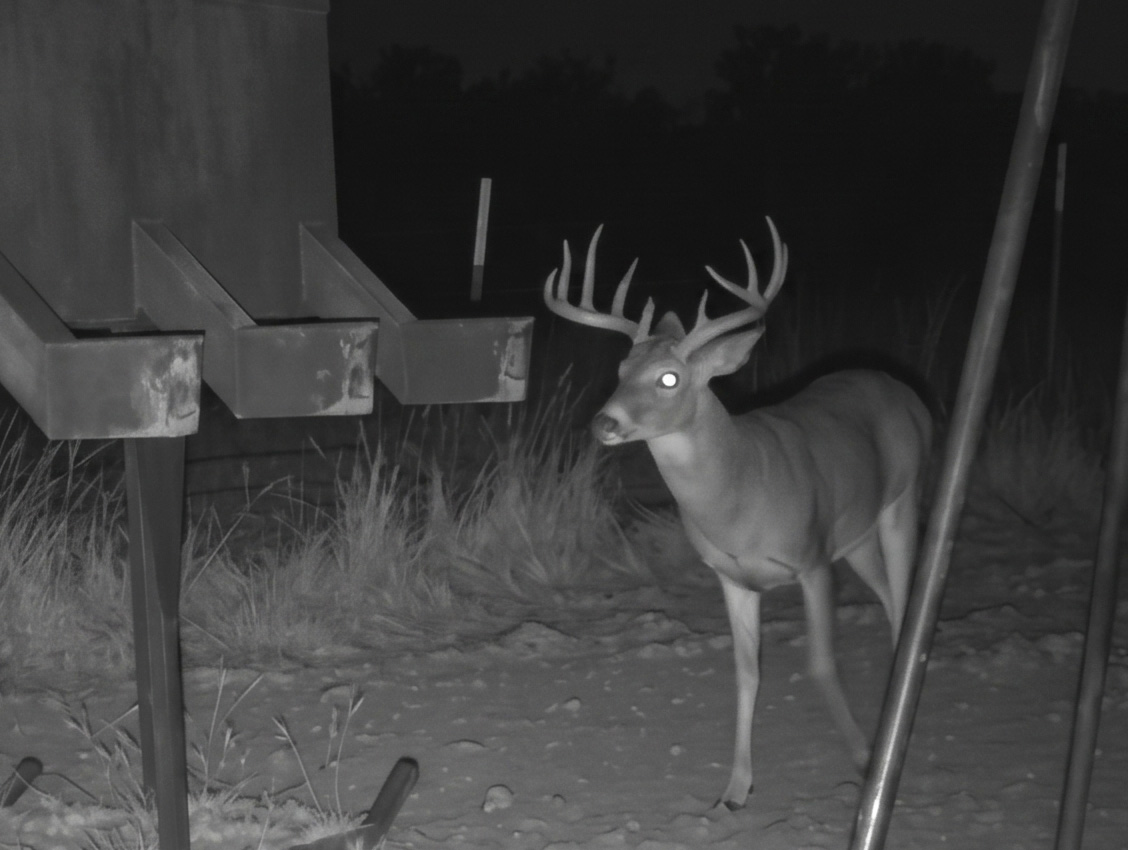
Both sides preferred
When the AI can only see one side, it assumes the other side mirrors it. That works for clean typical bucks, but bucks with one-sided kickers, drop tines, or asymmetric mass score wrong. If you have multiple photos showing both sides, use the one that shows the most rack structure — or use the multi-angle option in the app.

Bottom line
On high-quality photos with a clean ear reference and a good 3/4 angle, Vizirack typically scores within 5% of actual measured score. Tougher photos still produce a useful estimate, just with a wider confidence range to reflect the uncertainty.
A note on world-class animals: bucks at the extreme upper end of their species (typical muleys over 200, whitetails over 180, heavy non-typicals) can score lower than their actual measurement. The model has seen far more average bucks than world-class ones, and it tends toward typical proportions when something exceptional shows up. Treat the score as a conservative floor on a true giant.
Score a PhotoA few things people ask.
About Vizirack
How accurate is it?
On high-quality photos with a clean ear reference and a good 3/4 angle, Vizirack typically scores within 5% of actual measured score. Tougher photos produce a useful estimate with a wider confidence range. World-class animals — true giants at the upper end of their species — often score conservatively because the model leans toward typical proportions when it sees something rare.
Should I trust it for a record book entry?
No. Vizirack is a field-judging tool — fast, useful, and good enough for the truck ride home. For an official entry, find a B&C or P&Y measurer and let them put a tape on the rack.
What species can it score?
Whitetail, mule deer, Coues, Columbia blacktail, American elk, Roosevelt elk, Shiras / Canada / Alaska-Yukon moose, caribou, bighorn / desert / Dall / Stone sheep, mountain goat, pronghorn, muskox, bison, and predators (cougar, black bear, grizzly, brown, polar). Plus exotics: axis, fallow, sika, aoudad, and gemsbok.
Using the App
Does it work on trail cam photos?
Yes. Color daytime trail cam shots work great. Black and white IR night photos work too but with reduced accuracy because tine edges are softer in low light.
Can I score sheds?
Yes. Single sheds get a one-side score plus a projected full-rack estimate that assumes a matching opposite side. Matched pairs get a real two-sided score. Include your hand, a tape measure, or another known object in the frame for a scale reference — this matters more for sheds than for live animals because there's no ear to anchor against.
What if it identifies the wrong species?
One tap on the result screen lets you override the species, and Vizirack re-scores using the correct rules. The detection works well most of the time, but bucks at unusual angles or in low light can confuse it.
What's the difference between gross and net score?
Gross is the raw measurement total — every inch of beam, tine, and mass added up, plus the inside spread. Net is gross minus deductions for asymmetry between sides and (on typical animals) abnormal points. Vizirack returns gross scores in field mode because that's how guides talk about animals. The Official Score workup calculates both.
My buck looks bigger in person than the photo says. Why?
Photos compress depth. A buck with deep forks and long beams often looks smaller in 2D than he is in person. If you have any actual measurements, drop them into the Refine panel — even one anchor measurement will sharpen the score significantly.
Can I save my scored animals?
Yes. Every score can be saved to your Trophy Room with a name, location, date, and the photo. Sort by score, by date, or by recency.
Privacy & Data
What happens to my photos?
Photos uploaded for scoring are stored in your account so you can view your trophy room. They aren't shared, sold, or used to train other models. You can delete a saved trophy (and its photos) anytime.
Will my hunting spots be shared?
No. Location is something you optionally enter on a saved trophy, and it's only visible to you. Vizirack does not share or surface your saved locations to other users.
Drop us a line.
We read every email. If your photo isn't scoring right, or you've got a question we didn't answer, send us a note.
hello@vizirack.com